Buy mobilheime.eu ?
We are moving the project
mobilheime.eu .
Are you interested in purchasing the domain
mobilheime.eu ?
domain@kv-gmbh.de · 0541-91531010
Buy mobilheime.eu ?
Is allosteric inhibition the same as non-competitive inhibition?
Allosteric inhibition and non-competitive inhibition are not the same, although they are related. Non-competitive inhibition refers to the binding of an inhibitor to a site on the enzyme that is not the active site, thereby preventing the substrate from binding to the active site. Allosteric inhibition, on the other hand, occurs when an inhibitor binds to a site on the enzyme that is distinct from the active site, causing a conformational change in the enzyme that reduces its activity. While both types of inhibition involve the binding of an inhibitor to a site other than the active site, allosteric inhibition specifically involves a change in the enzyme's shape and activity. **
What type of inhibition occurs through allosteric activation/inhibition?
Allosteric inhibition occurs when a molecule binds to an allosteric site on an enzyme, causing a conformational change that reduces the enzyme's activity. This type of inhibition is non-competitive, meaning it does not compete with the substrate for the active site. Allosteric activation, on the other hand, occurs when a molecule binds to an allosteric site and enhances the enzyme's activity. Both allosteric inhibition and activation involve the binding of a regulatory molecule to a site other than the active site of the enzyme, leading to a change in the enzyme's activity. **


Similar search terms for Inhibition
Top-Angebote
Products related to Inhibition:
-
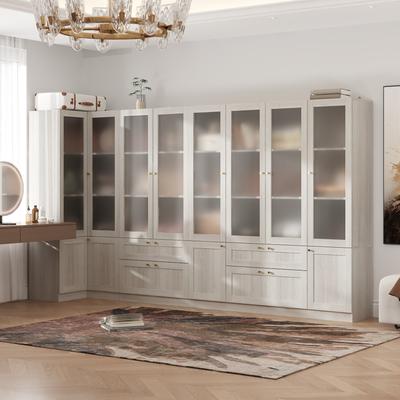
Timechee Elegant White Storage Modular Bookshelf Storage Cabinet: Versatile Organization SolutionThis white modular bookcase is a perfect blend of functionality and aesthetics, designed to enhance the decor of any room while providing ample storage and display space.972,49 $*Shipping: 0,00 $Secure redirect to the provider
-
17 Stories Versatile Modular Floor Lounge Chair, With Soft Tufted Fleece, Frameless Low Profile Floor Seating For Living Room & Gaming, 95x95cm Compact Ottoman S White 2Transform your living space with this modular, frameless floor Lounge Chair—featuring an adjustable backrest that lets you customise your seating position whether you're lounging, reading, or entertaining. Designed to be combined with multiple units for bespoke arrangements, it offers endless flexibility. Crafted from premium, breathable, skin-friendly fleece with elegant tufted detailing, it delivers exceptional comfort, visual texture, and lasting support. The low-profile 95x95cm design sits gracefully close to the floor, making it a perfect space-efficient choice for compact apartments, studios, and modern interiors. Its sleek frameless construction brings a contemporary, relaxed aesthetic that complements any modern décor while maintaining structural integrity. Arriving in convenient compressed packaging for easy transport and assembly, this versatile seating solution adapts effortlessly to your lifestyle. 17 Stories Seating Capacity: 2499,99 £*Shipping: 0,00 £Secure redirect to the provider
-
Housely Modern Chenille Modular L-Shaped Sectional - Compact Deep-Seat SofaCreate a cozy, style-forward seating area with this modern 3-piece corner sectional sofa. Designed in a space-smart L-shaped layout, this modular set delivers the ideal mix of comfort, function, and contemporary appeal.1672,49 $*Shipping: 0,00 $Secure redirect to the provider
-
Housely Modern Chenille Modular L-Shaped Sectional - Compact Deep-Seat SofaCreate a cozy, style-forward seating area with this modern 3-piece corner sectional sofa. Designed in a space-smart L-shaped layout, this modular set delivers the ideal mix of comfort, function, and contemporary appeal.1672,49 $*Shipping: 0,00 $Secure redirect to the provider



-
What is the difference between competitive inhibition and allosteric inhibition?
Competitive inhibition occurs when a molecule competes with the substrate for the active site of an enzyme, effectively blocking the substrate from binding and inhibiting the enzyme's activity. In contrast, allosteric inhibition occurs when a molecule binds to a site on the enzyme other than the active site, causing a conformational change that reduces the enzyme's activity. While competitive inhibition directly competes with the substrate for the active site, allosteric inhibition involves binding to a different site on the enzyme to regulate its activity. **
-
Non-competitive inhibition, right?
Non-competitive inhibition is a type of enzyme inhibition where the inhibitor binds to a site on the enzyme that is not the active site. This binding causes a conformational change in the enzyme, making it less effective at catalyzing the reaction. Non-competitive inhibitors do not compete with the substrate for binding to the enzyme. Instead, they can bind to the enzyme-substrate complex or to a separate allosteric site on the enzyme. **
-
Is allosteric inhibition irreversible?
Allosteric inhibition is typically reversible, meaning that the inhibitor can bind to the allosteric site and block the activity of the enzyme, but can also dissociate from the site, allowing the enzyme to regain its activity. This is in contrast to irreversible inhibition, where the inhibitor forms a covalent bond with the enzyme, permanently inactivating it. **
-
What is allosteric inhibition?
Allosteric inhibition is a type of enzyme regulation where a molecule binds to a site on the enzyme that is different from the active site, causing a conformational change in the enzyme's structure. This change reduces the enzyme's activity and ability to bind to its substrate, ultimately inhibiting its function. Allosteric inhibition is a reversible process and can be used to regulate enzyme activity in response to changing cellular conditions. **
What is the difference between allosteric inhibition and competitive inhibition in biology?
Allosteric inhibition occurs when a molecule binds to an allosteric site on an enzyme, causing a conformational change that reduces the enzyme's activity. This type of inhibition is non-competitive and can affect multiple enzymes in a metabolic pathway. On the other hand, competitive inhibition occurs when a molecule competes with the substrate for the active site of the enzyme, effectively blocking the substrate from binding and reducing the enzyme's activity. Competitive inhibition can be overcome by increasing the concentration of the substrate, while allosteric inhibition cannot be overcome in the same way. **
What is the difference between non-competitive inhibition and allosteric inhibition in biochemistry?
Non-competitive inhibition occurs when an inhibitor binds to an enzyme at a site other than the active site, causing a conformational change in the enzyme that reduces its activity. This type of inhibition does not compete with the substrate for binding to the active site. On the other hand, allosteric inhibition occurs when an inhibitor binds to an allosteric site on the enzyme, causing a conformational change that reduces the enzyme's activity. Allosteric inhibition can be reversible or irreversible, and it can be overcome by increasing the concentration of the substrate. **
Top-Angebote
Products related to Inhibition:
-
Roberts Pillow Talk Speaker - Compact & Versatile, NewOverview: The Roberts PT9918 Pillow Talk Speaker in White/Cream is a compact, high-quality speaker designed for personal listening. Its unique pillow-shaped design makes it perfect for placing under your pillow or on your bed, allowing you to enjoy your favourite music, podcasts, or audiobooks without disturbing others. With Bluetooth connectivity, the Pillow Talk Speaker allows for wireless streaming from your devices, providing convenient and high-quality sound. The stylish White/Cream design complements any bedroom decor, offering both functionality and aesthetic appeal. Whether you're winding down for the night or need a quiet audio companion, the Roberts PT9918 is the perfect solution. Key Features: Compact pillow-shaped design for comfortable under-pillow or bedside use Bluetooth connectivity for wireless streaming from smartphones, tablets, and other devices High-quality sound for clear audio with a rich bass and crisp treble Stylish White/Cream colour to complement your bedroom decor Rechargeable battery for convenient and portable use without needing to be plugged in Simple controls for easy operation and volume adjustments Lightweight and portable , ideal for travel or use in different rooms Ideal for personal listening , great for relaxing, sleeping, or private listening sessions Product Description: The Roberts PT9918 Pillow Talk Speaker in White/Cream is a versatile and stylish audio solution designed for those who love to listen privately. Its pillow-shaped design allows you to place it under your pillow or beside your bed for a comfortable and discreet listening experience. The Bluetooth connectivity lets you wirelessly stream music, podcasts, and more from your phone or tablet, delivering high-quality sound that won’t disturb others. With a rechargeable battery, the speaker is easy to use anywhere, whether you’re in your bedroom, on the go, or travelling. The White/Cream colour adds a soft, modern touch to your room, making it a perfect addition to your relaxation setup. Roberts PT9918 Pillow Talk Speaker - White/Cream Pillow-shaped design for comfortable under-pillow or bedside use Bluetooth connectivity for wireless streaming from devices High-quality sound for clear and rich audio experience Stylish White/Cream colour that complements bedroom decor Rechargeable battery for portable use without wires Lightweight and portable for easy travel and use in various rooms Ideal for private listening, relaxation, and sleep Easy-to-use controls for convenient operation and volume adjustment14,99 £*Shipping: 0,00 £Secure redirect to the provider
-
Housely Modern Chenille Modular L-Shaped Sectional - Compact Deep-Seat SofaCreate a cozy, style-forward seating area with this modern 3-piece corner sectional sofa. Designed in a space-smart L-shaped layout, this modular set delivers the ideal mix of comfort, function, and contemporary appeal.1672,49 $*Shipping: 0,00 $Secure redirect to the provider
-
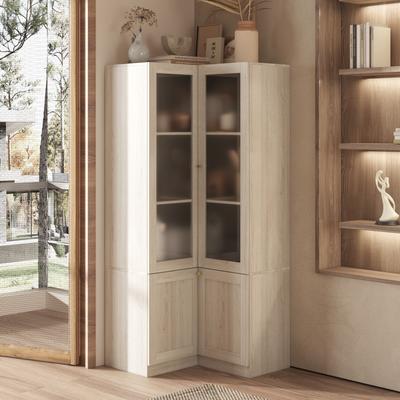
Timechee Elegant White Storage Modular Bookshelf Storage Cabinet: Versatile Organization SolutionThis white modular bookcase is a perfect blend of functionality and aesthetics, designed to enhance the decor of any room while providing ample storage and display space.972,49 $*Shipping: 0,00 $Secure redirect to the provider
-
17 Stories Versatile Modular Floor Lounge Chair, With Soft Tufted Fleece, Frameless Low Profile Floor Seating For Living Room & Gaming, 95x95cm Compact Ottoman S White 2Transform your living space with this modular, frameless floor Lounge Chair—featuring an adjustable backrest that lets you customise your seating position whether you're lounging, reading, or entertaining. Designed to be combined with multiple units for bespoke arrangements, it offers endless flexibility. Crafted from premium, breathable, skin-friendly fleece with elegant tufted detailing, it delivers exceptional comfort, visual texture, and lasting support. The low-profile 95x95cm design sits gracefully close to the floor, making it a perfect space-efficient choice for compact apartments, studios, and modern interiors. Its sleek frameless construction brings a contemporary, relaxed aesthetic that complements any modern décor while maintaining structural integrity. Arriving in convenient compressed packaging for easy transport and assembly, this versatile seating solution adapts effortlessly to your lifestyle. 17 Stories Seating Capacity: 2499,99 £*Shipping: 0,00 £Secure redirect to the provider
-
Is allosteric inhibition the same as non-competitive inhibition?
Allosteric inhibition and non-competitive inhibition are not the same, although they are related. Non-competitive inhibition refers to the binding of an inhibitor to a site on the enzyme that is not the active site, thereby preventing the substrate from binding to the active site. Allosteric inhibition, on the other hand, occurs when an inhibitor binds to a site on the enzyme that is distinct from the active site, causing a conformational change in the enzyme that reduces its activity. While both types of inhibition involve the binding of an inhibitor to a site other than the active site, allosteric inhibition specifically involves a change in the enzyme's shape and activity. **
-
What type of inhibition occurs through allosteric activation/inhibition?
Allosteric inhibition occurs when a molecule binds to an allosteric site on an enzyme, causing a conformational change that reduces the enzyme's activity. This type of inhibition is non-competitive, meaning it does not compete with the substrate for the active site. Allosteric activation, on the other hand, occurs when a molecule binds to an allosteric site and enhances the enzyme's activity. Both allosteric inhibition and activation involve the binding of a regulatory molecule to a site other than the active site of the enzyme, leading to a change in the enzyme's activity. **
-
What is the difference between competitive inhibition and allosteric inhibition?
Competitive inhibition occurs when a molecule competes with the substrate for the active site of an enzyme, effectively blocking the substrate from binding and inhibiting the enzyme's activity. In contrast, allosteric inhibition occurs when a molecule binds to a site on the enzyme other than the active site, causing a conformational change that reduces the enzyme's activity. While competitive inhibition directly competes with the substrate for the active site, allosteric inhibition involves binding to a different site on the enzyme to regulate its activity. **
-
Non-competitive inhibition, right?
Non-competitive inhibition is a type of enzyme inhibition where the inhibitor binds to a site on the enzyme that is not the active site. This binding causes a conformational change in the enzyme, making it less effective at catalyzing the reaction. Non-competitive inhibitors do not compete with the substrate for binding to the enzyme. Instead, they can bind to the enzyme-substrate complex or to a separate allosteric site on the enzyme. **
Similar search terms for Inhibition
-
Housely Modern Chenille Modular L-Shaped Sectional - Compact Deep-Seat SofaCreate a cozy, style-forward seating area with this modern 3-piece corner sectional sofa. Designed in a space-smart L-shaped layout, this modular set delivers the ideal mix of comfort, function, and contemporary appeal.1672,49 $*Shipping: 0,00 $Secure redirect to the provider
-
Housely Modern Chenille Modular L-Shaped Sectional - Compact Deep-Seat SofaCreate a cozy, style-forward seating area with this modern 3-piece corner sectional sofa. Designed in a space-smart L-shaped layout, this modular set delivers the ideal mix of comfort, function, and contemporary appeal.1672,49 $*Shipping: 0,00 $Secure redirect to the provider
-
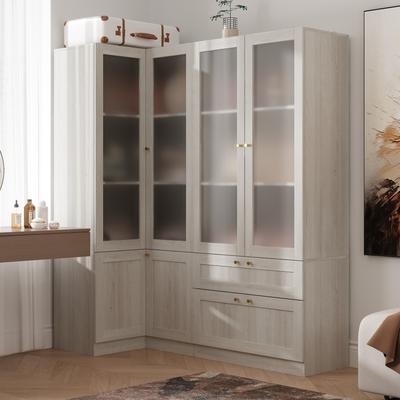
Timechee Elegant White Storage Modular Bookshelf Storage Cabinet: Versatile Organization SolutionThis white modular bookcase is a perfect blend of functionality and aesthetics, designed to enhance the decor of any room while providing ample storage and display space.261,19 $*Shipping: 0,00 $Secure redirect to the provider
-
Timechee Elegant White Storage Modular Bookshelf Storage Cabinet: Versatile Organization SolutionThis white modular bookcase is a perfect blend of functionality and aesthetics, designed to enhance the decor of any room while providing ample storage and display space.569,49 $*Shipping: 0,00 $Secure redirect to the provider
-
Is allosteric inhibition irreversible?
Allosteric inhibition is typically reversible, meaning that the inhibitor can bind to the allosteric site and block the activity of the enzyme, but can also dissociate from the site, allowing the enzyme to regain its activity. This is in contrast to irreversible inhibition, where the inhibitor forms a covalent bond with the enzyme, permanently inactivating it. **
-
What is allosteric inhibition?
Allosteric inhibition is a type of enzyme regulation where a molecule binds to a site on the enzyme that is different from the active site, causing a conformational change in the enzyme's structure. This change reduces the enzyme's activity and ability to bind to its substrate, ultimately inhibiting its function. Allosteric inhibition is a reversible process and can be used to regulate enzyme activity in response to changing cellular conditions. **
-
What is the difference between allosteric inhibition and competitive inhibition in biology?
Allosteric inhibition occurs when a molecule binds to an allosteric site on an enzyme, causing a conformational change that reduces the enzyme's activity. This type of inhibition is non-competitive and can affect multiple enzymes in a metabolic pathway. On the other hand, competitive inhibition occurs when a molecule competes with the substrate for the active site of the enzyme, effectively blocking the substrate from binding and reducing the enzyme's activity. Competitive inhibition can be overcome by increasing the concentration of the substrate, while allosteric inhibition cannot be overcome in the same way. **
-
What is the difference between non-competitive inhibition and allosteric inhibition in biochemistry?
Non-competitive inhibition occurs when an inhibitor binds to an enzyme at a site other than the active site, causing a conformational change in the enzyme that reduces its activity. This type of inhibition does not compete with the substrate for binding to the active site. On the other hand, allosteric inhibition occurs when an inhibitor binds to an allosteric site on the enzyme, causing a conformational change that reduces the enzyme's activity. Allosteric inhibition can be reversible or irreversible, and it can be overcome by increasing the concentration of the substrate. **
* All prices are inclusive of VAT and, if applicable, plus shipping costs. The offer information is based on the details provided by the respective shop and is updated through automated processes. Real-time updates do not occur, so deviations can occur in individual cases. ** Note: Parts of this content were created by AI.